Choosing the wrong framework is the most expensive early mistake in an AI agent project. Each framework makes different trade-offs, and what works brilliantly for one use case is the wrong tool for another. Here's an honest comparison.
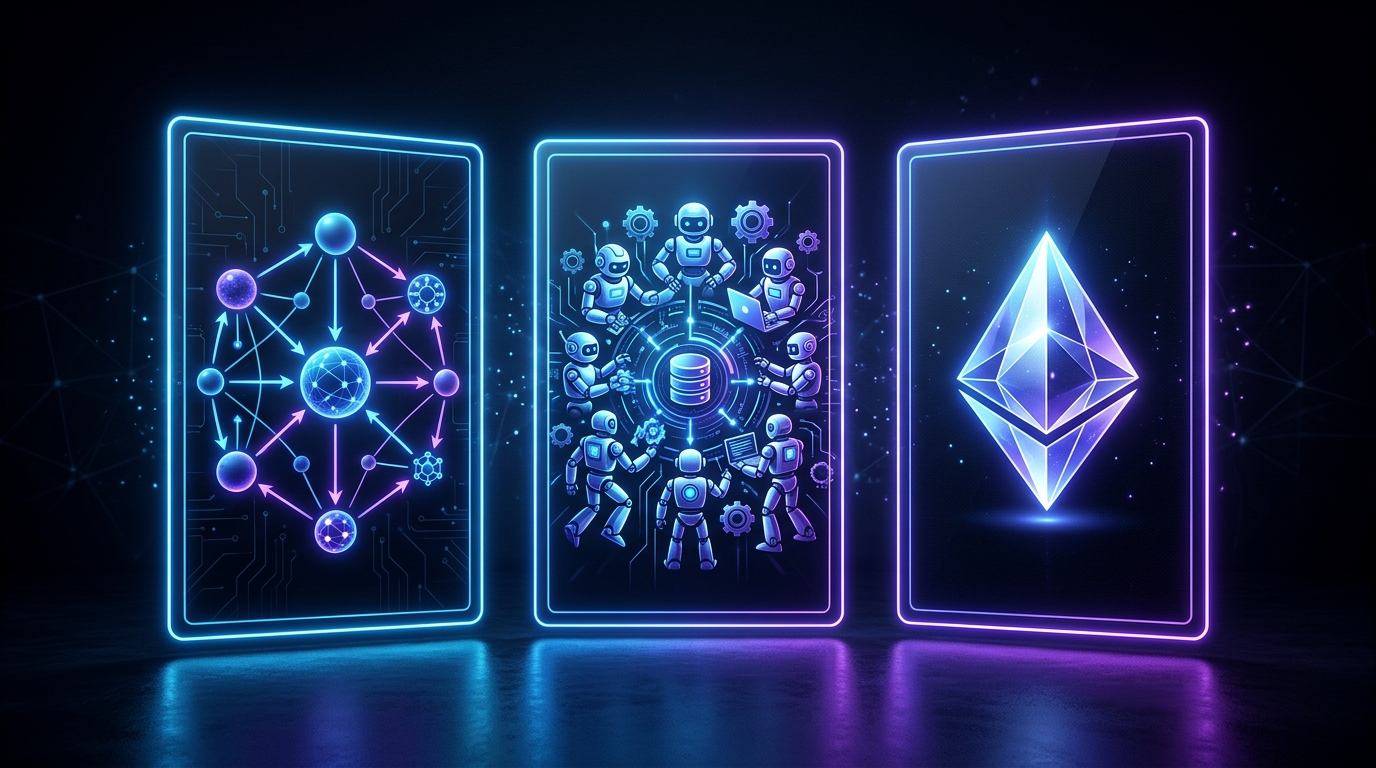
The Three Main Frameworks in 2026
LangGraph
LangGraph models your agent as a directed graph — nodes are reasoning or action steps, edges are transitions between them. State is explicit and typed. You control exactly what happens at each step and how state flows through the system.
Best for: Complex production agents with branching logic, conditional flows, and long-running tasks. If you need deterministic behaviour, human-in-the-loop checkpoints, or fine-grained observability, LangGraph is the right choice.
Trade-offs: Steeper learning curve. More boilerplate to write. Overkill for simple single-purpose agents.
Typical use case: Multi-step research pipelines, customer support routing with escalation logic, code review agents with approval gates.
Claude Agent SDK (Anthropic)
The Claude Agent SDK (also called the Anthropic Agent SDK) wraps the Claude API with built-in tool-calling, memory primitives, and the ReAct loop. You define tools as Python functions, write a system prompt, and the SDK handles the orchestration.
Best for: Getting a working agent fast. If you're using Claude models and your agent doesn't require complex branching, this is the fastest path to production. The SDK handles the loop, tool serialisation, and error recovery out of the box.
Trade-offs: Claude-only (not model-agnostic). Less control over internal state than LangGraph. Limited support for parallel agent execution.
Typical use case: Single-purpose business automation agents, document processors, content generation pipelines.
AutoGen (Microsoft)
AutoGen is designed for multi-agent systems where multiple specialised AI agents communicate with each other. A coordinator agent delegates tasks to worker agents, which can specialise in coding, research, writing, or tool use.
Best for: Problems that naturally decompose into parallel sub-tasks handled by different specialised agents. Research workflows, code-and-test pipelines, competitive analysis systems.
Trade-offs: Higher complexity and cost — every agent turn involves an LLM call, so token costs multiply quickly. Harder to debug when something goes wrong deep in an agent conversation chain.
Typical use case: Automated software development pipelines, multi-source research aggregators, complex document generation.
Decision Guide
Start with Claude Agent SDK if you want a working agent within a day and your task is linear.
Choose LangGraph if you need stateful multi-step flows, conditional branching, or production-grade observability.
Choose AutoGen if your problem genuinely needs multiple specialised agents working in parallel — not just because it sounds cool.
What About LangChain?
LangChain was the dominant framework in 2023–2024 but has largely been superseded for agent work. LangGraph (built on top of LangChain) solves the key production pain points. Most teams building new agents in 2026 are using LangGraph directly rather than LangChain's older agent abstractions.
MCP: The Cross-Framework Standard
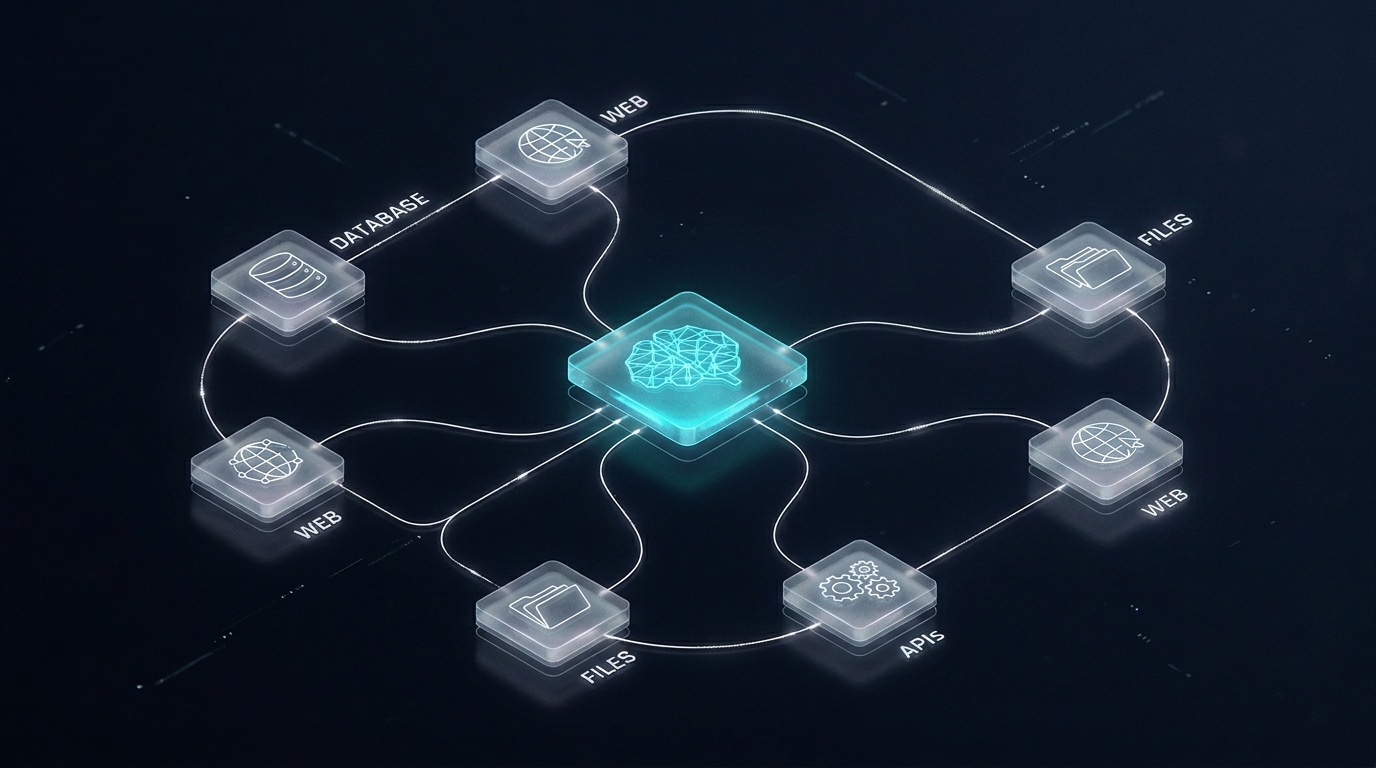
The Model Context Protocol (MCP) is worth mentioning separately because it's not a framework — it's a tool-connection standard that works with all three frameworks. If you build your tools as MCP servers, you can switch frameworks without rewriting your integrations. See our MCP Server Tutorial for how to set this up.
Next Steps
- How to Build an AI Agent (Step-by-Step, 2026)
- LangGraph Tutorial — Build Multi-Step AI Agents
- MCP Server Tutorial
Building an AI agent for your Singapore business? Talk to Power Digital — we've built production agents on all three frameworks.