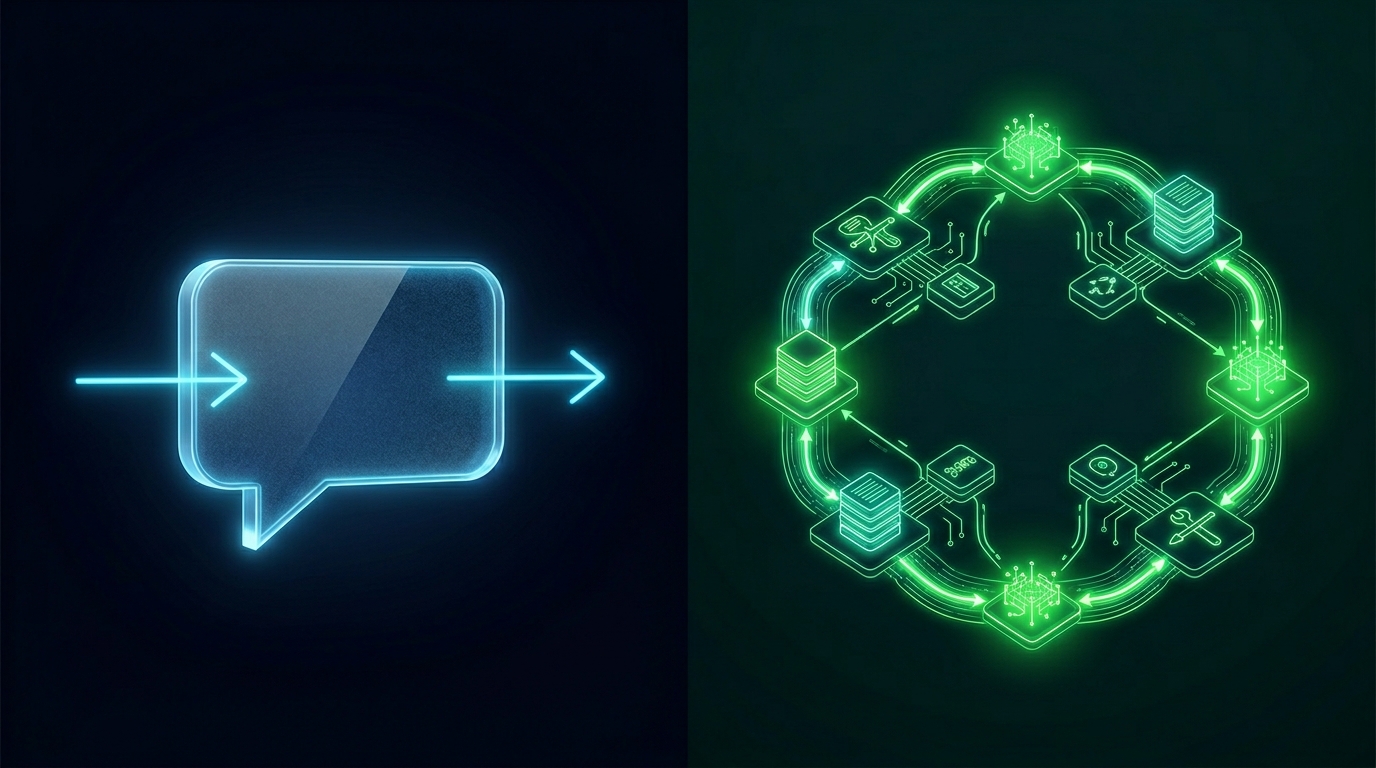
Both run on large language models. Both respond to text. But they are built for fundamentally different jobs.
The Core Difference
A chatbot answers. An AI agent acts.
A chatbot takes one input and produces one output. An AI agent takes a goal, figures out the steps to reach it, uses tools to take actions, checks its own progress, and keeps going until the task is finished.
Key Differences
Input: Chatbot = single message. Agent = goal or multi-step task.
Output: Chatbot = single response. Agent = completed outcome (file written, email sent, report generated).
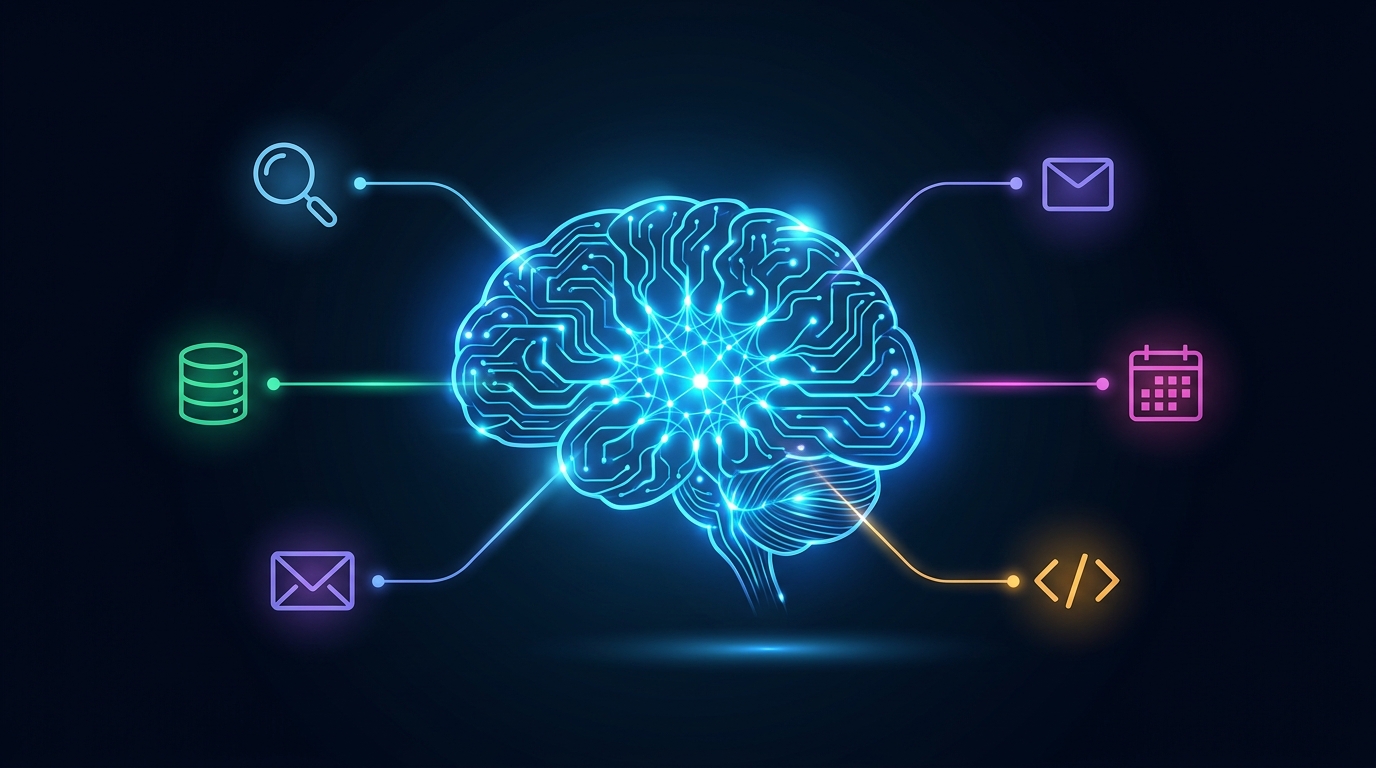
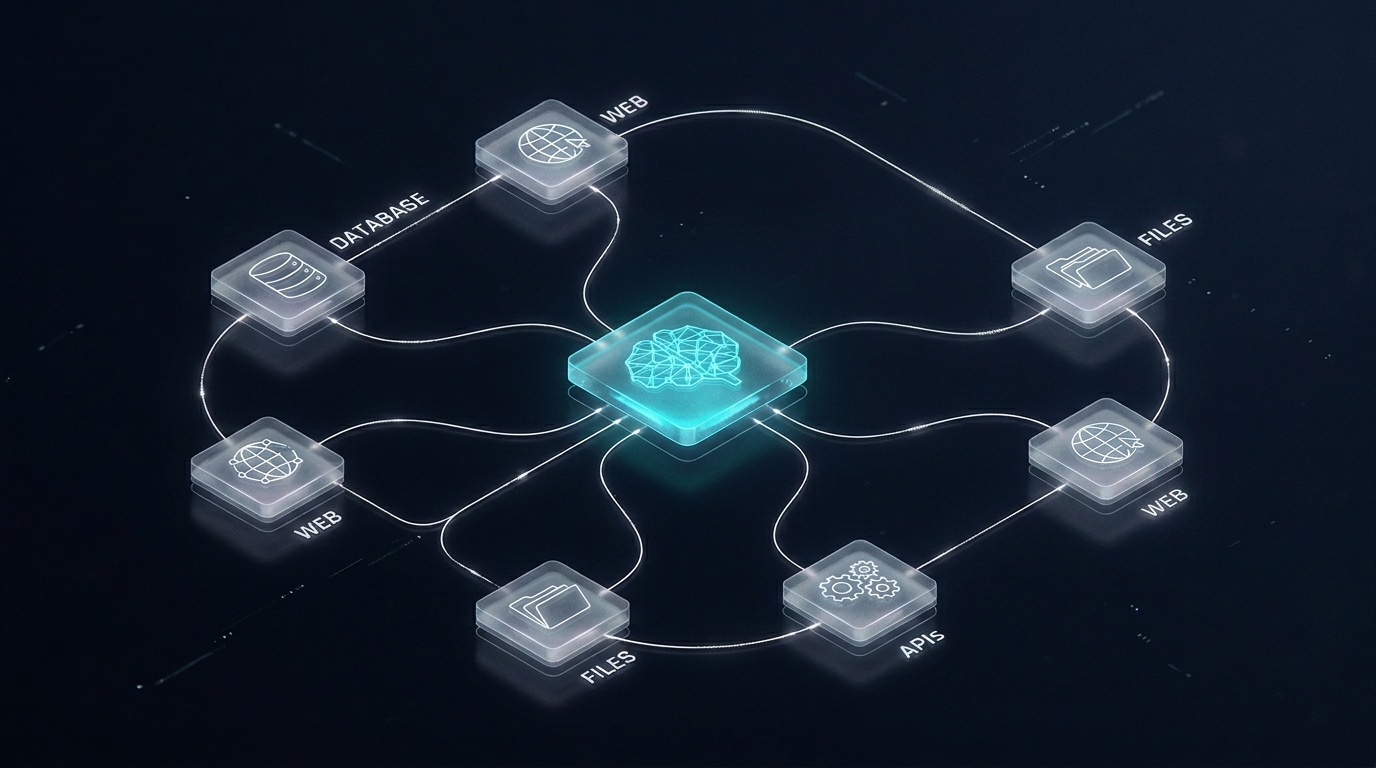
Tool use: Chatbots have limited or no tool access. Agents are built around tools.
Memory: Chatbots are stateless between sessions. Agents can maintain persistent memory.
Autonomy: Chatbots require a human prompt for every response. Agents can run in loops and scheduled tasks.
When You Need a Chatbot
Use a chatbot when the value is in the conversation itself: answering questions, guiding users through a flow, providing on-demand information. Customer FAQ bots, HR policy bots, and sales qualification bots all fall here.
When You Need an AI Agent
Use an agent when the value is in completing a task involving multiple steps, tool use, or autonomous decision-making. Lead research, automated reporting, invoice processing, code review, content pipelines all need agents.
The Hybrid Case
Many production deployments combine both: a chatbot interface backed by agent capabilities. A customer service bot that can answer questions and actually process a refund or escalate a ticket is the standard pattern in 2026.
Cost Difference
Agents cost significantly more to run because they call the LLM multiple times per task. A chatbot might cost $0.001 per conversation. An agent handling a 10-step research task might cost $0.05-0.20 per run.
Not sure which your project needs? Talk to Power Digital and we will help you scope it properly.